Incoterms® define who pays, who insures, and where risk transfers between buyer and seller. Use this guide to align responsibilities, control costs and avoid disputes.

Global trade routes and Incoterms overview
Overview

What are Incoterms®?

Incoterms® (International Commercial Terms) are globally recognised rules that define the obligations, costs and risk transfer between buyers and sellers in international trade.

Instead of negotiating responsibilities from scratch, both parties agree on a single three-letter term like FOB or CIF that already specifies who arranges freight, who insures the shipment, and the point where risk shifts from seller to buyer.

Incoterms® are not a substitute for a full sales contract and must be referenced clearly, e.g. “FOB Mumbai Port, Incoterms® 2020”.

IMPORTANCE

Why Incoterms® are critical for your shipment

Clear responsibilities reduce disputes, hidden costs and operational delays at origin or destination.

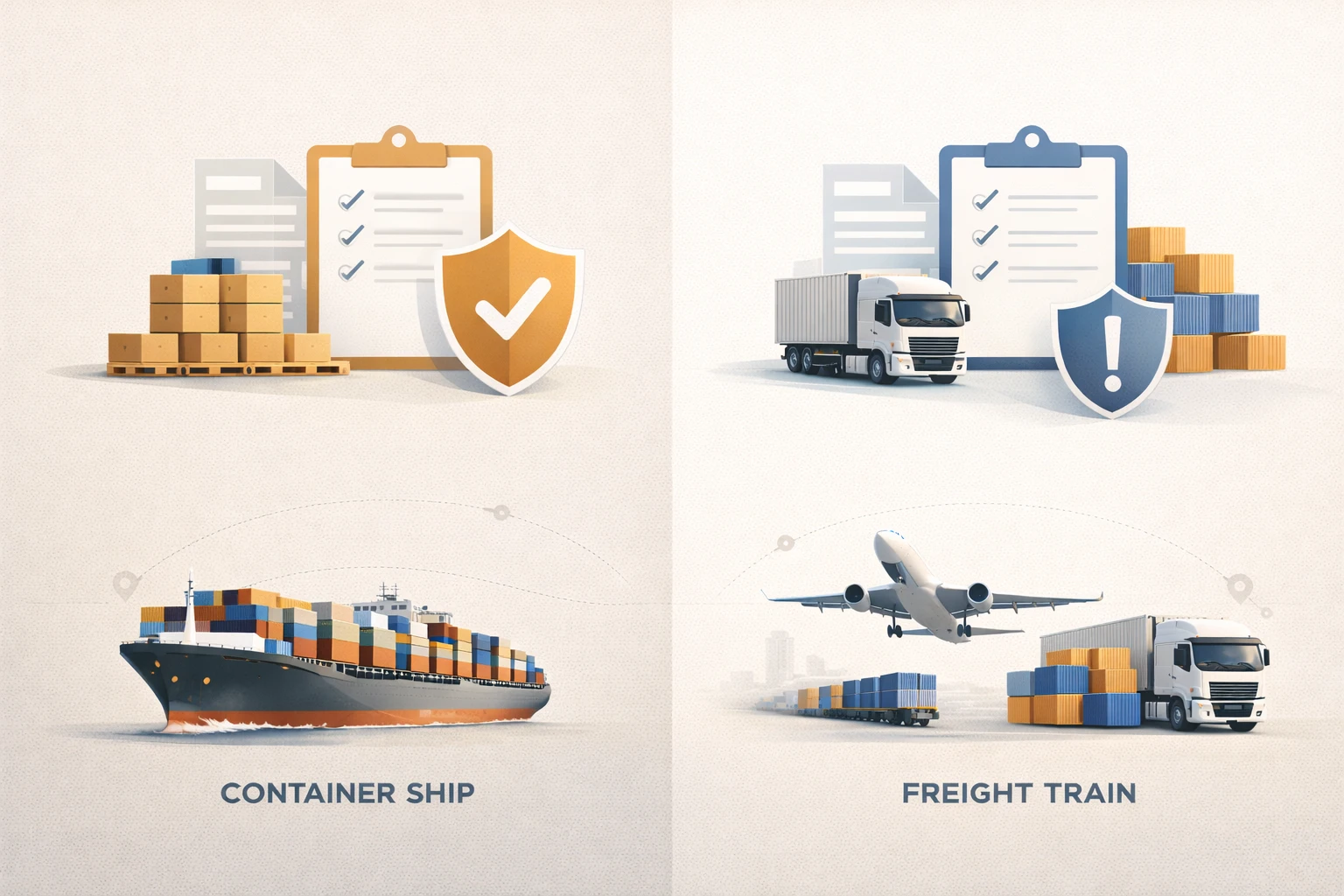
Cost and risk allocation under Incoterms Clarity

Clarity on responsibilities

Cost & risk

Incoterms® clearly define who handles each stage of the shipment.

  • Who arranges and pays for freight
  • Where risk of loss or damage transfers
  • Who handles export/import customs
  • Who must arrange shipment insurance
  • Which documents each party provides
Explore the terms →
Buyer and seller responsibilities in Incoterms Risk control

Reduced disputes and hidden costs

Predictability

Correctly applied terms prevent delays, duplicated effort and surprise charges.

  • Avoid unexpected terminal and duty charges
  • Prevent port delays from unclear ownership
  • Align responsibilities across all stakeholders
  • Support accurate tracking milestones
  • Reduce contractual disputes with clarity
Get expert guidance →
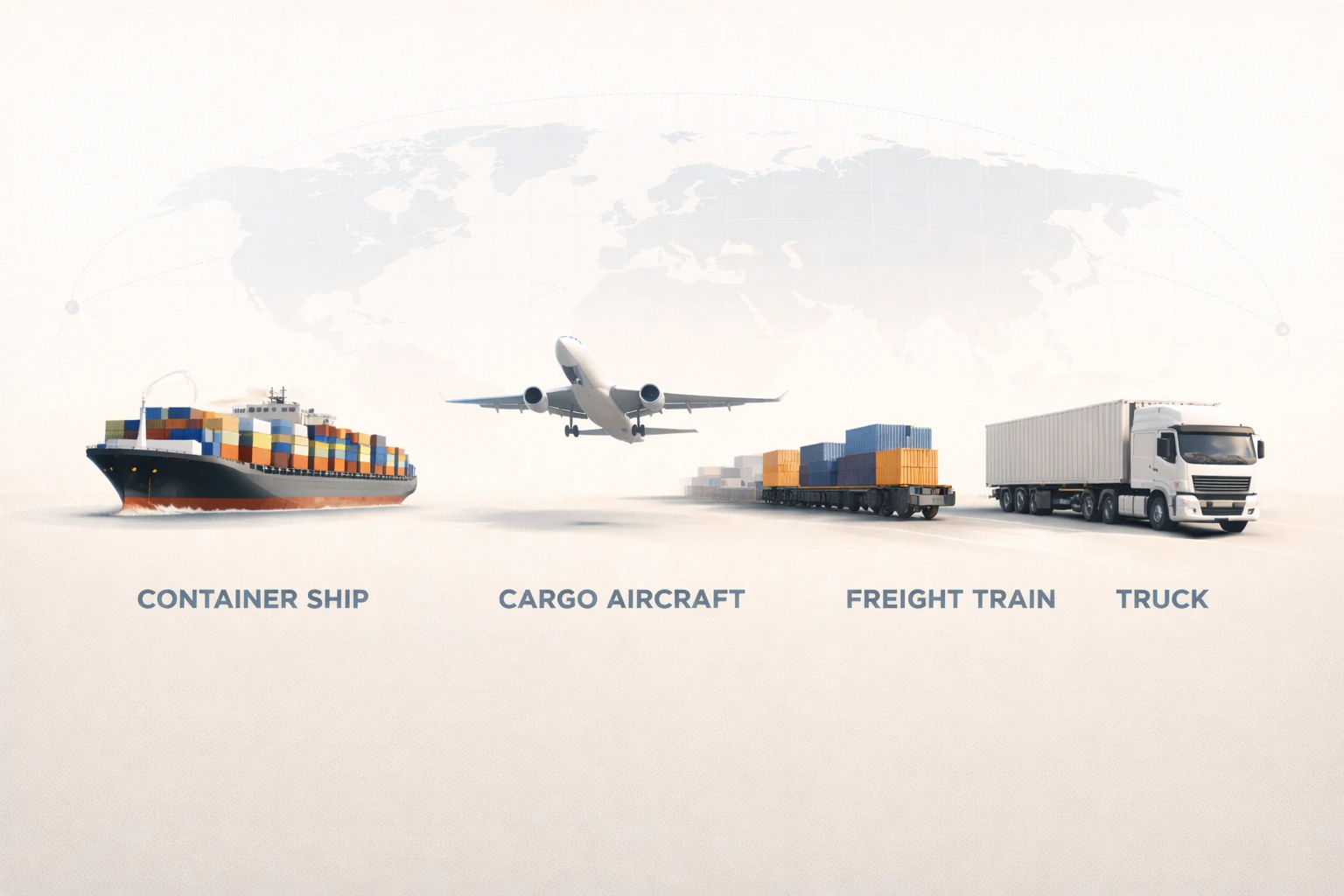
Transport modes supported by Incoterms Transport Modes

Match terms to transport modes

Some Incoterms apply to all modes, while others are sea-only.

All modes: EXW, FCA, CPT, CIP, DAP, DPU, DDP
Sea-only: FAS, FOB, CFR, CIF
Containerised shipment: FCA preferred over FOB

Choosing the right term for your mode avoids compliance gaps and insurance mismatches.

See all terms →
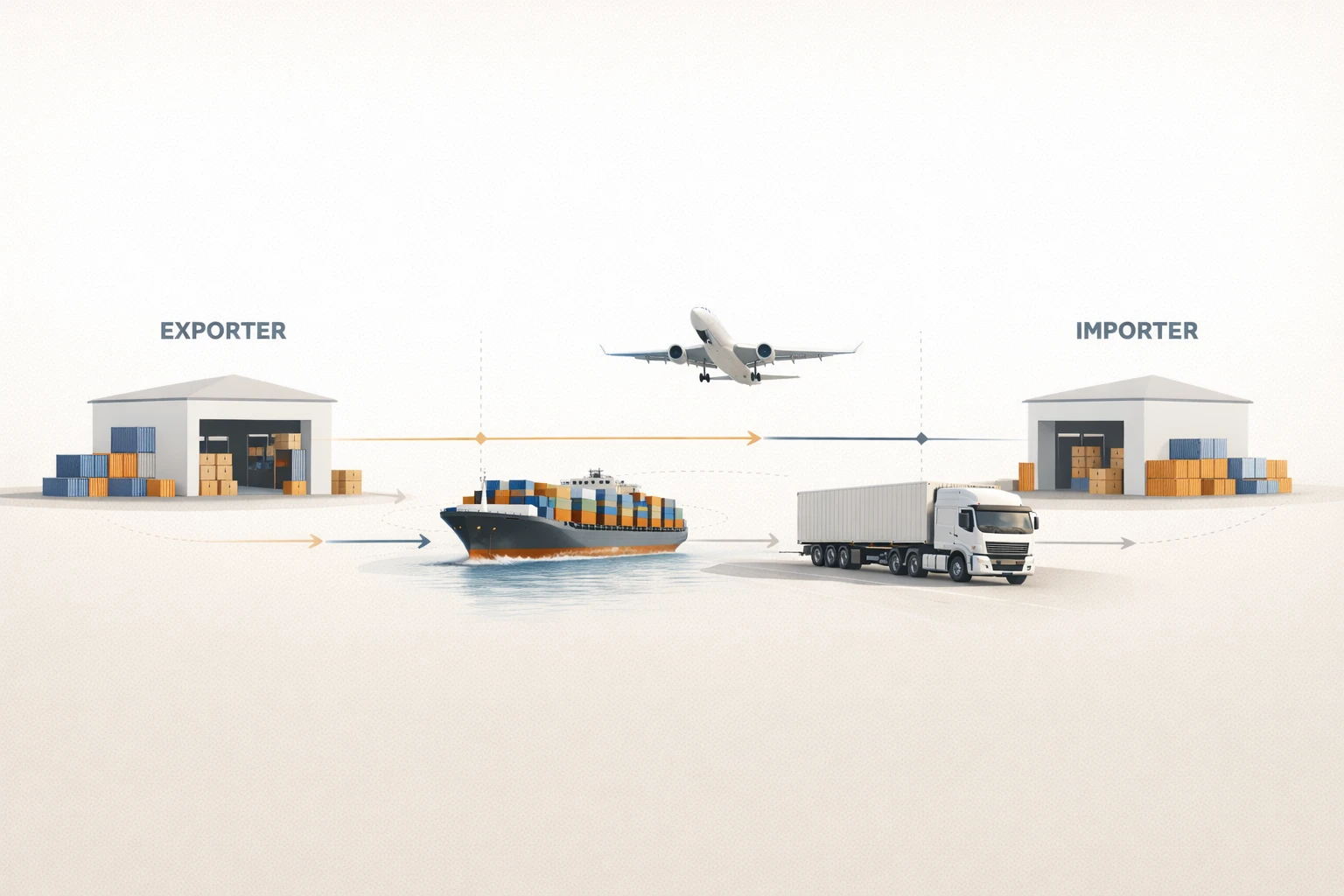
Exporter and importer trade flow overview Trade Flow

Map the exporter vs importer flow

Understand where risk transfers to avoid grey areas in your contract.

  • Named place or port defines responsibility
  • Documentation aligns with the chosen term
  • Insurance obligations vary by term
  • Cost allocation is embedded in the rule
Apply best practices →
Incoterms® 2020

Incoterms® groups & responsibilities

Group E – Departure

Term Stands For Meaning (Simplified)
EXW Ex Works Seller makes goods available at their premises. Buyer takes on almost all costs and risks from that point onward, including export formalities (unless otherwise agreed).

Group F – Main Carriage Unpaid

Term Stands For Meaning (Simplified)
FCA Free Carrier Seller delivers goods to a carrier or place nominated by buyer. Risk transfers at the delivery point. Suitable for all modes, including containerised shipment.
FAS Free Alongside Ship Seller delivers goods alongside the vessel at the loading port. Buyer is responsible from that point onward. Used for non-containerised sea shipments.
FOB Free On Board Seller delivers and loads goods on board the vessel at the loading port. Risk transfers once shipment is on board. Traditionally used for sea freight (non-container).

Group C – Main Carriage Paid by Seller

Term Stands For Meaning (Simplified)
CFR Cost and Freight Seller pays cost and freight to destination port, but risk transfers once goods are loaded on the vessel at origin. Sea/inland waterway only.
CIF Cost, Insurance & Freight Same as CFR, but seller must also provide minimum insurance for buyer’s benefit. Still, risk transfers at origin once goods are on board.
CPT Carriage Paid To Seller pays freight to a named destination. Risk transfers to the buyer when goods are handed to the first carrier. Used for all modes.
CIP Carriage & Insurance Paid To Same as CPT, but seller must also arrange insurance. Under Incoterms® 2020, CIP typically requires higher insurance cover than CIF.

Group D – Arrival

Term Stands For Meaning (Simplified)
DAP Delivered At Place Seller delivers goods ready for unloading at the named place of destination. Buyer handles import customs clearance, duties and taxes.
DPU Delivered at Place Unloaded Seller delivers and unloads goods at the named place of destination. Buyer handles import formalities. This is the only Incoterm where seller must unload.
DDP Delivered Duty Paid Seller bears almost all responsibilities and costs, including import clearance, duties and taxes at destination. Maximum seller obligation.

Legacy terms: Older versions (DAF, DES, DEQ, DDU) were replaced in later revisions. Always reference Incoterms® 2020 explicitly in contracts.

Practical Advice

Best practices for exporters & importers

Reduce risk by choosing the right term and naming the correct place or port.

For exporters

  • Be careful with DDP where you control import duties and taxes.
  • Prefer FCA, FOB, CFR, CIF when you want export-side clarity.
  • Specify the named place clearly (e.g. “FOB Nhava Sheva Port, Incoterms® 2020”).

For importers

  • Avoid relying solely on EXW for export formalities abroad.
  • Terms like FOB, CIF, CIP keep export processes with the seller.
  • Clarify insurance obligations for each term before shipment.
How We Help

How Amigo Logistics supports you with Incoterms®

Our support
  • Recommend suitable Incoterms® by trade lane and shipment type
  • Explain cost, risk and documentation impact per term
  • Coordinate freight, customs and delivery aligned to the rule
  • Align documents (BL, AWB, invoices, packing lists) to Incoterms®
Request a consultation →
Why it matters

Choose terms that protect cost and delivery timelines.

We help you map responsibilities clearly so your contracts, documentation and execution stay aligned across buyers, sellers, carriers and customs.

Risk clarity Cost control Clean documents Expert guidance
Quick Access

Plan better with Amigo Logistics tools

Incoterms® Reference
Transit Time Calculator
Shipment Volume (CBM) Calculator
Pickup Request
Conversion Factors
World Clock
Currency Converter
Weight Converter
Import Duty & Tax Estimator
FAQs

Frequently Asked Questions about Incoterms®

Straight answers to common trade-term questions.

01 Are Incoterms® mandatory by law?

Incoterms® are not laws, but contract standards. They are binding only when referenced in an agreed sales contract.

02 Do Incoterms® cover payment terms?

No. Incoterms® cover delivery, risk and cost allocation—not payment terms such as LC or advance payment.

03 Which Incoterm should I choose?

The right term depends on your control over logistics, trade experience, and compliance requirements in each country.

Need help deciding? Talk to our trade team for a tailored Incoterms® recommendation.
Contact us
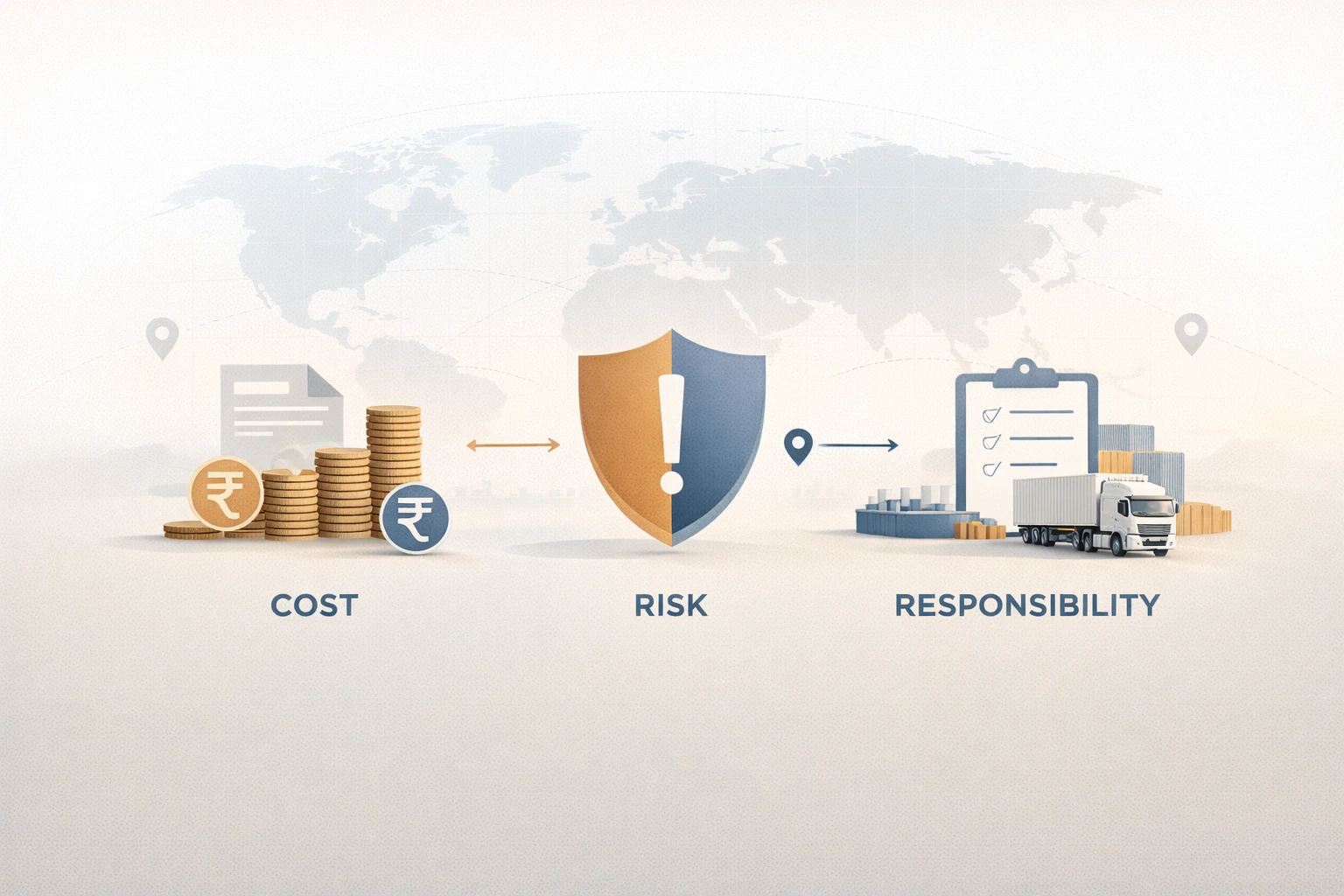
Incoterms responsibilities and cost allocation overview

Need help selecting the right Incoterm?

Share your trade lane, shipment type and current commercial terms — we’ll map responsibilities clearly.

Get Expert Guidance Contact Amigo Logistics