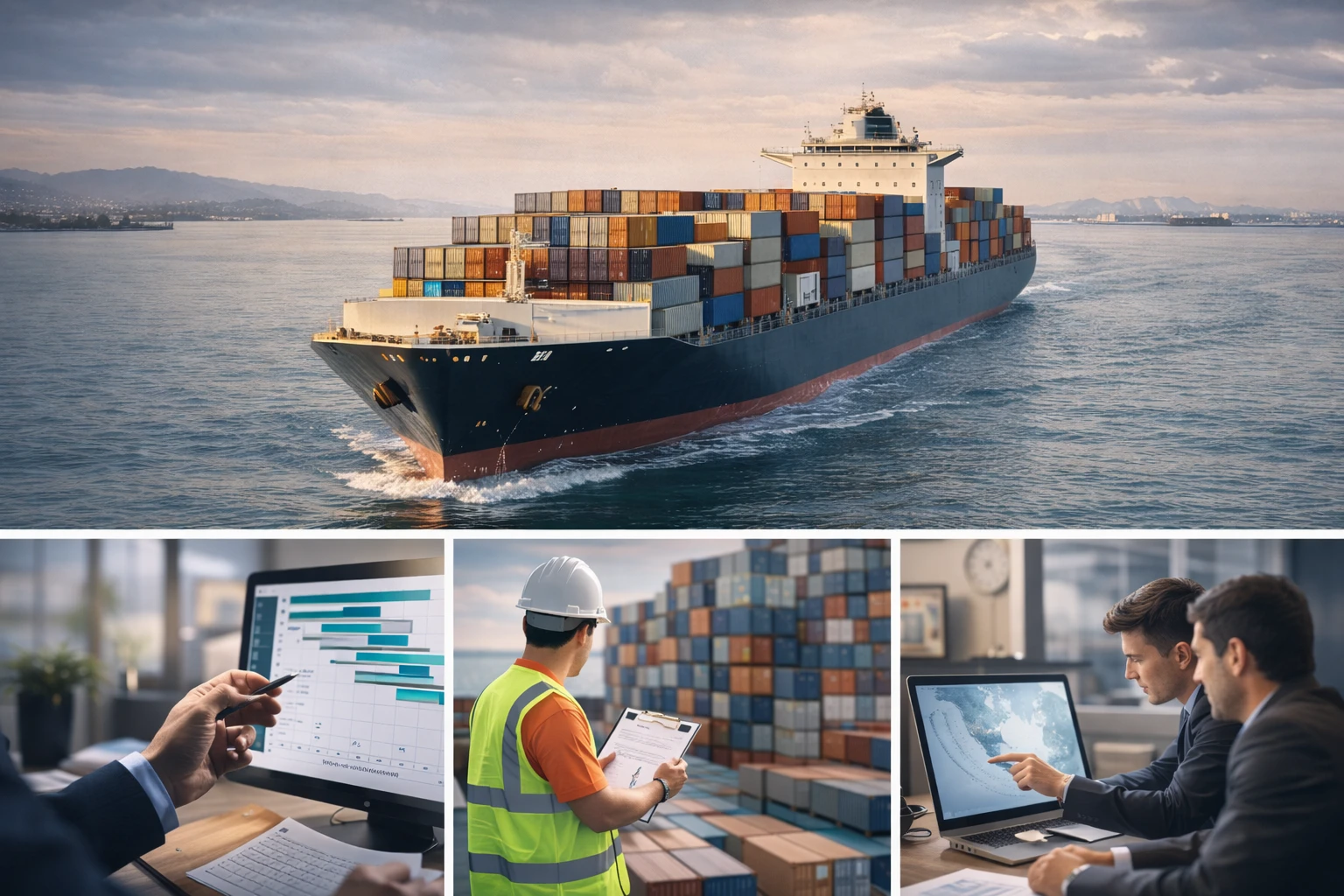
Estimate sea freight delivery timelines and plan your international shipments more efficiently. Ocean Freight is cost-effective, but transit time can vary based on route, vessel schedules, port congestion and documentation readiness.

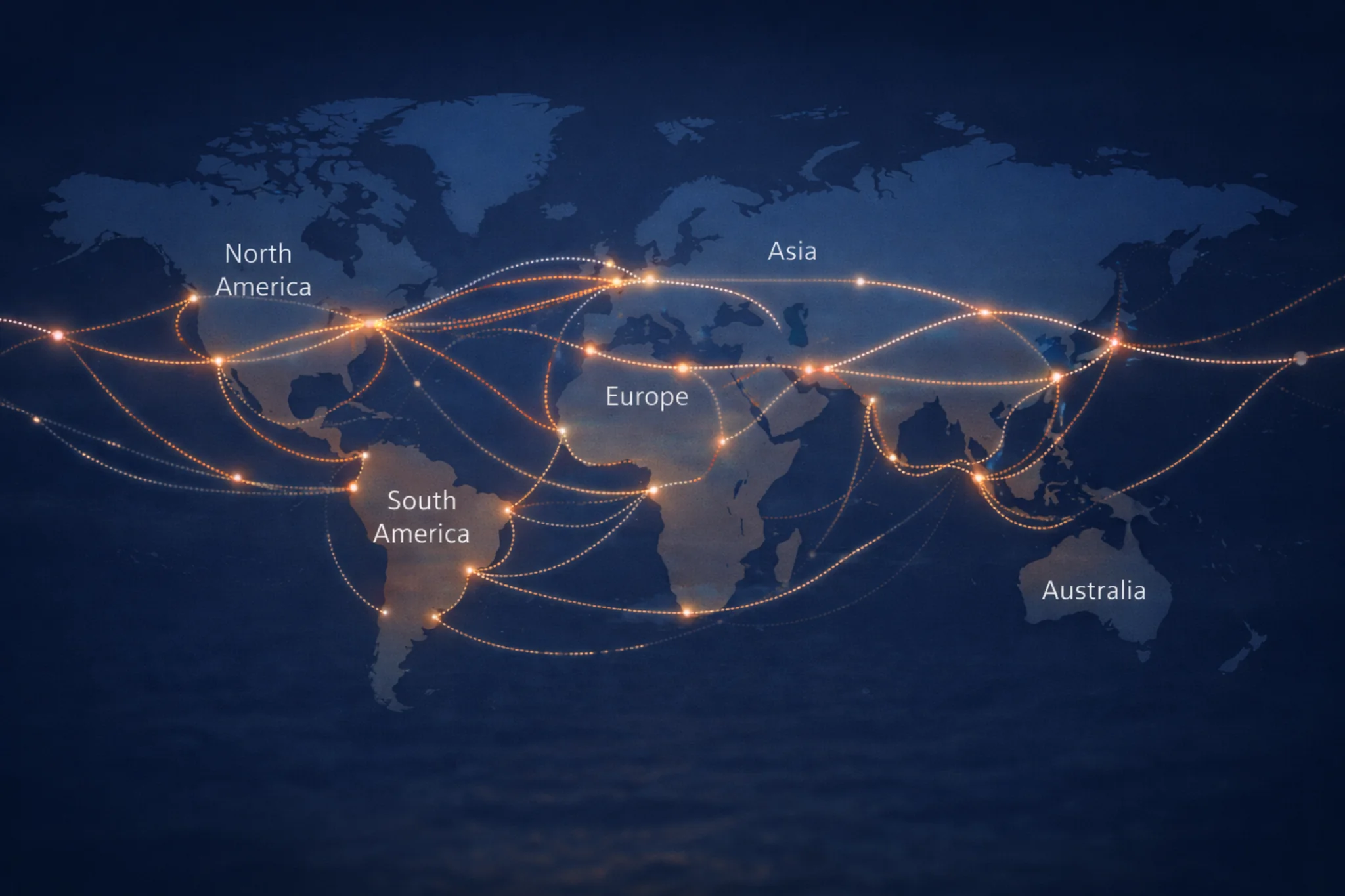
Global ocean transit time routes
Definition

What is ocean-freight transit time?

Ocean-freight transit time typically refers to the time taken for shipment to move from the port of loading (POL) to the port of discharge (POD), including:

  • Container stuffing and origin port handling
  • Vessel sailing time
  • Transshipment time (if the service is not direct)
  • Destination port handling and availability for pickup

Depending on lane and schedule, international sea freight transit time commonly ranges from 7 to 45+ days.

Transit Time Tool

Check estimated sea freight transit time

Use the fields below to request an estimated timeline. Your team can connect this UI to the backend calculator, carrier schedules or route database.

Enter POL and POD to view an estimated transit time range.
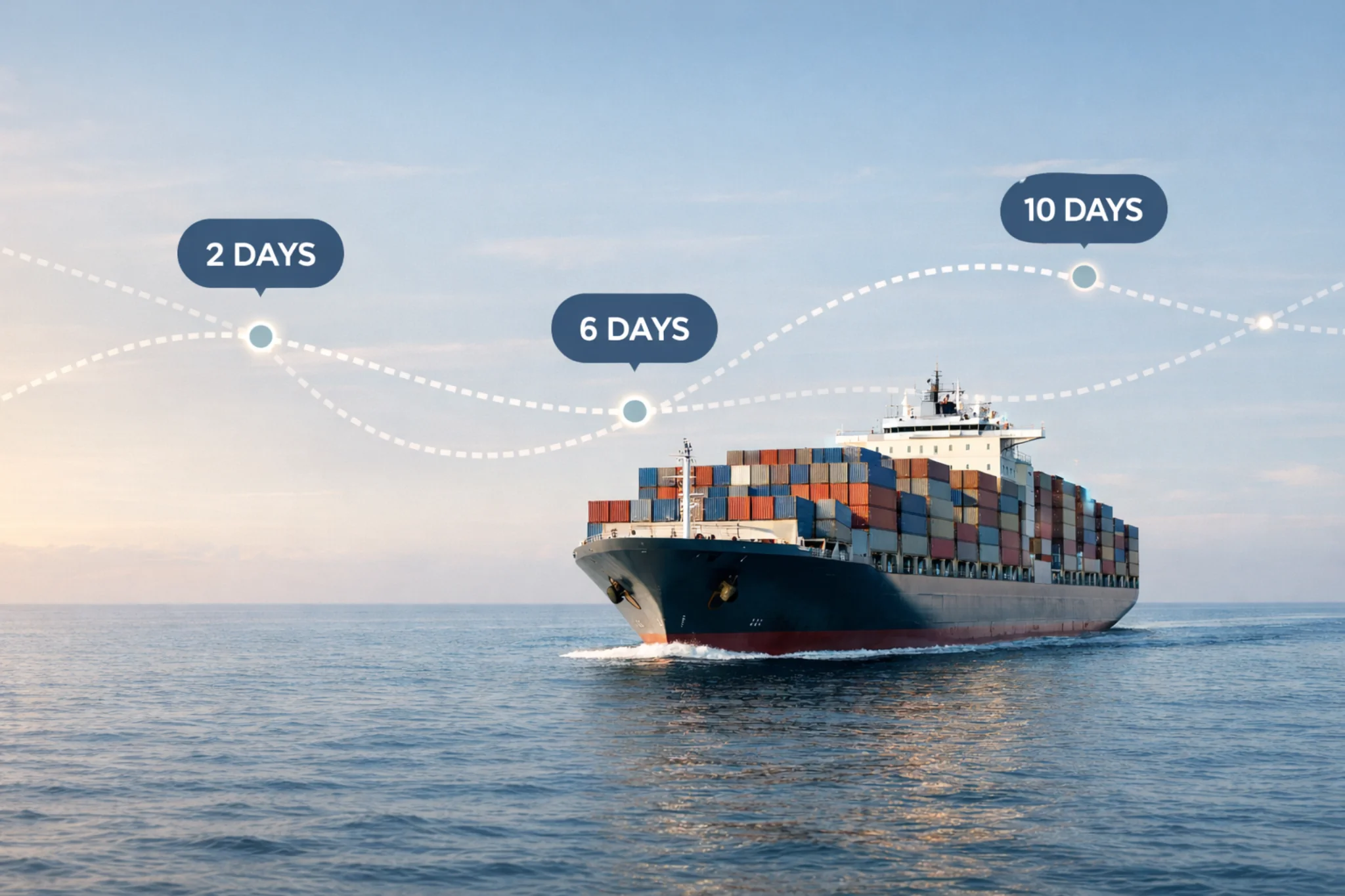
Container ship timeline illustration

Planning Insights

Build accurate ocean transit expectations

Plan with confidence using realistic timelines and execution best practices.

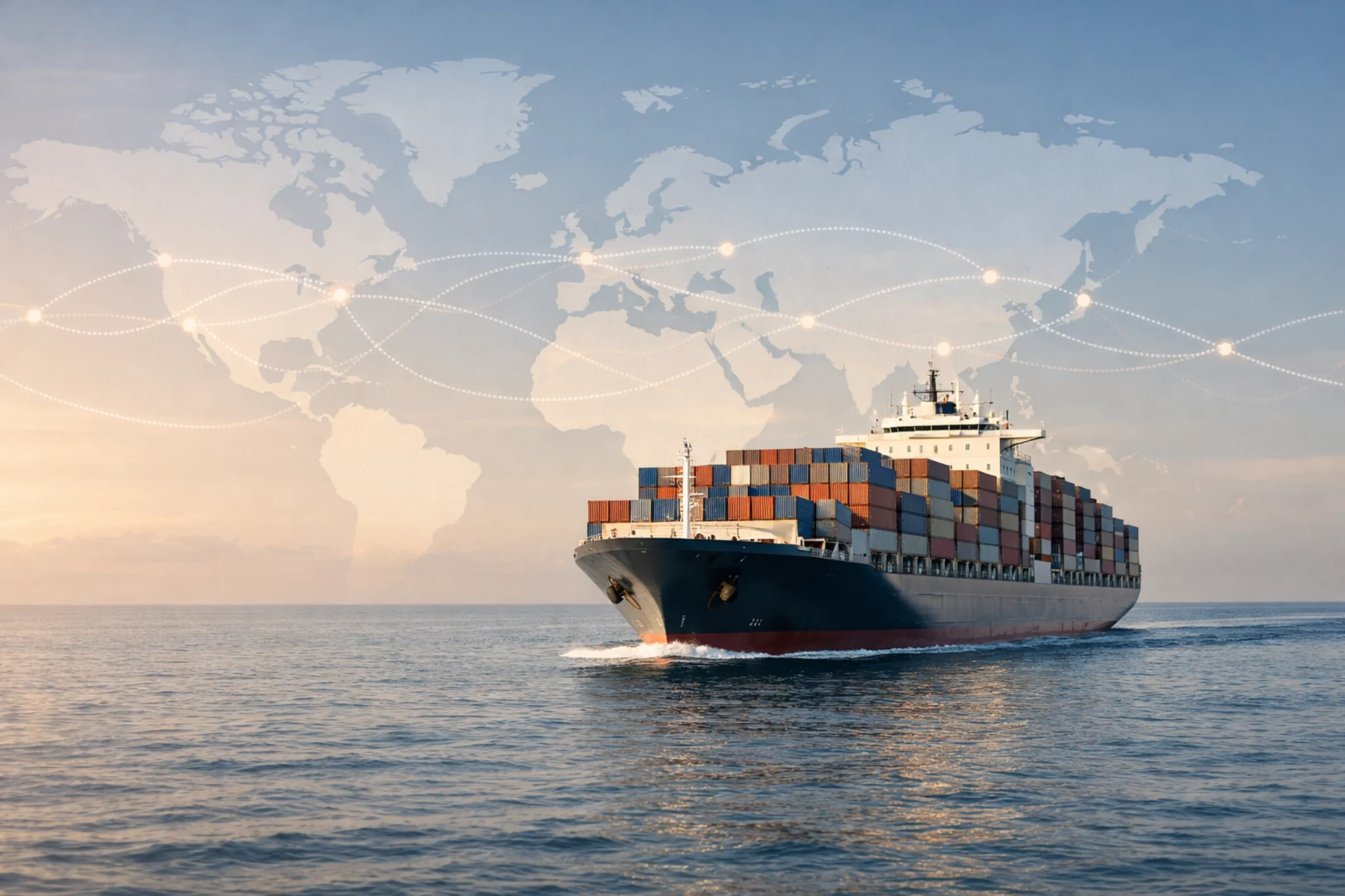
Ocean-freight planning and realistic transit timelines Overview

Plan sea shipments with realistic timelines

Predictability

Ocean freight moves most of the world’s shipment and remains the most economical option for bulk shipments. Amigo Logistics helps importers and exporters estimate realistic ocean-freight transit times so you can plan inventory, coordinate production and meet delivery commitments.

  • Indicative timelines based on route and schedule
  • Plan around congestion and carrier changes
  • Documentation readiness to reduce delays
Transit times are indicative only. For schedule-based confirmation, talk to a planner.
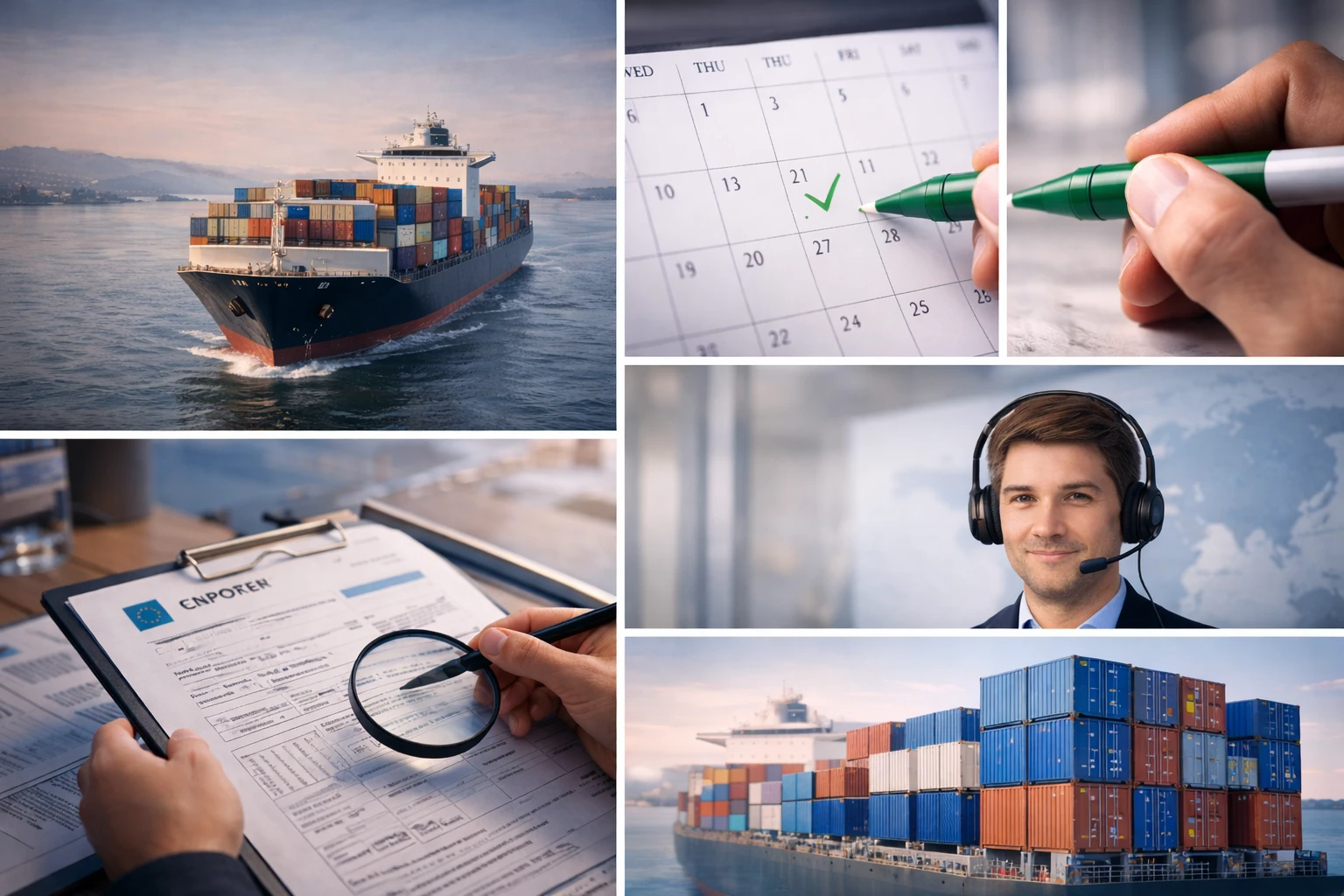
Best practices to reduce ocean-freight transit time Best Practices

How to reduce ocean-freight transit time

Execution

Actionable steps to reduce delays and improve planning accuracy.

  • Prefer direct services where available
  • Plan bookings early in peak seasons
  • Ensure documentation is accurate
  • Choose FCL for time-sensitive shipment
  • Work with an experienced freight forwarder
Key Factors

What affects sea shipment transit time?

Major drivers of schedule reliability and total end-to-end timelines.

Port connectivity

Major ports typically have more frequent sailings and better schedule reliability than smaller ports.

Direct vs transshipment

Direct services reduce waiting time. Transshipment can add delays due to vessel change and hub congestion.

FCL vs LCL handling

LCL shipments require consolidation and deconsolidation, which can extend total end-to-end timelines.

Port congestion & seasonality

Peak seasons, weather disruptions and terminal congestion can impact vessel schedules and shipment availability.

Carrier schedules

Sailing frequency, cut-off times and equipment availability impact when shipment can move.

Documentation & clearance

Incomplete documents can delay release at destination. Correct paperwork improves predictability.

Estimates

Typical international ocean-freight transit times

Actual timelines vary by port pair and carrier service, but these are general standard-ocean estimates:

Trade Lane (Example) Typical Estimate Notes
India → Middle East 7–15 days High sailing frequency on major ports
India → Europe 20–30 days Direct vs hub routes can change timelines
India → North America 25–40 days Transshipment may be required depending on lane
India → Africa 15–30 days Port infrastructure and schedules vary by region
India → Southeast Asia 7–14 days Often short distances and frequent services
Asia → Australia 15–25 days Seasonality and equipment availability can impact time
For a route-specific estimate based on your shipment, shipment type and schedules, request a quote or speak with our planners.
Global ocean trade lanes map
Comparison

FCL vs LCL transit time

Both options serve different needs. Here is a practical comparison:

Shipment Type Typical Transit Time Why it differs
FCL (Full Container Load) Generally faster Moves as a single unit with fewer consolidation steps
LCL (Less than Container Load) Slightly longer Requires consolidation at origin and deconsolidation at destination
Why Amigo Logistics

How we help you optimise ocean transit time

We do more than share an estimate—we help you plan for reliability. Our teams support end-to-end execution to reduce avoidable delays and improve predictability.

Carrier & routing strategy

  • Carrier selection based on schedule reliability and lane performance
  • Route optimisation to minimise transshipment where possible
  • FCL/LCL planning based on time sensitivity and budget

Execution & documentation support

  • Cut-off and documentation readiness checks to avoid rollovers
  • Origin stuffing and port coordination
  • Proactive milestone updates and exception handling

Ready to plan your ocean transit?

Tell us origin, destination, shipment type and timeline — we’ll recommend the best ocean option.

Request Quote Contact Us
FAQs

Frequently asked questions

Quick answers to common ocean transit time questions—clear, practical, and planning-focused.

01 Is ocean freight slower than air freight?

Yes. Ocean freight typically takes longer but is far more economical for bulk, heavy or non-urgent shipments.

02 Can ocean transit time be guaranteed?

Exact timelines can be influenced by weather, port congestion and schedule changes. Choosing reliable carriers improves predictability.

03 Do you handle both FCL and LCL?

Yes. Amigo Logistics manages FCL, LCL, breakbulk and project shipment movements globally.

Still have questions? Talk to our team for lane guidance and documentation support.
Contact us
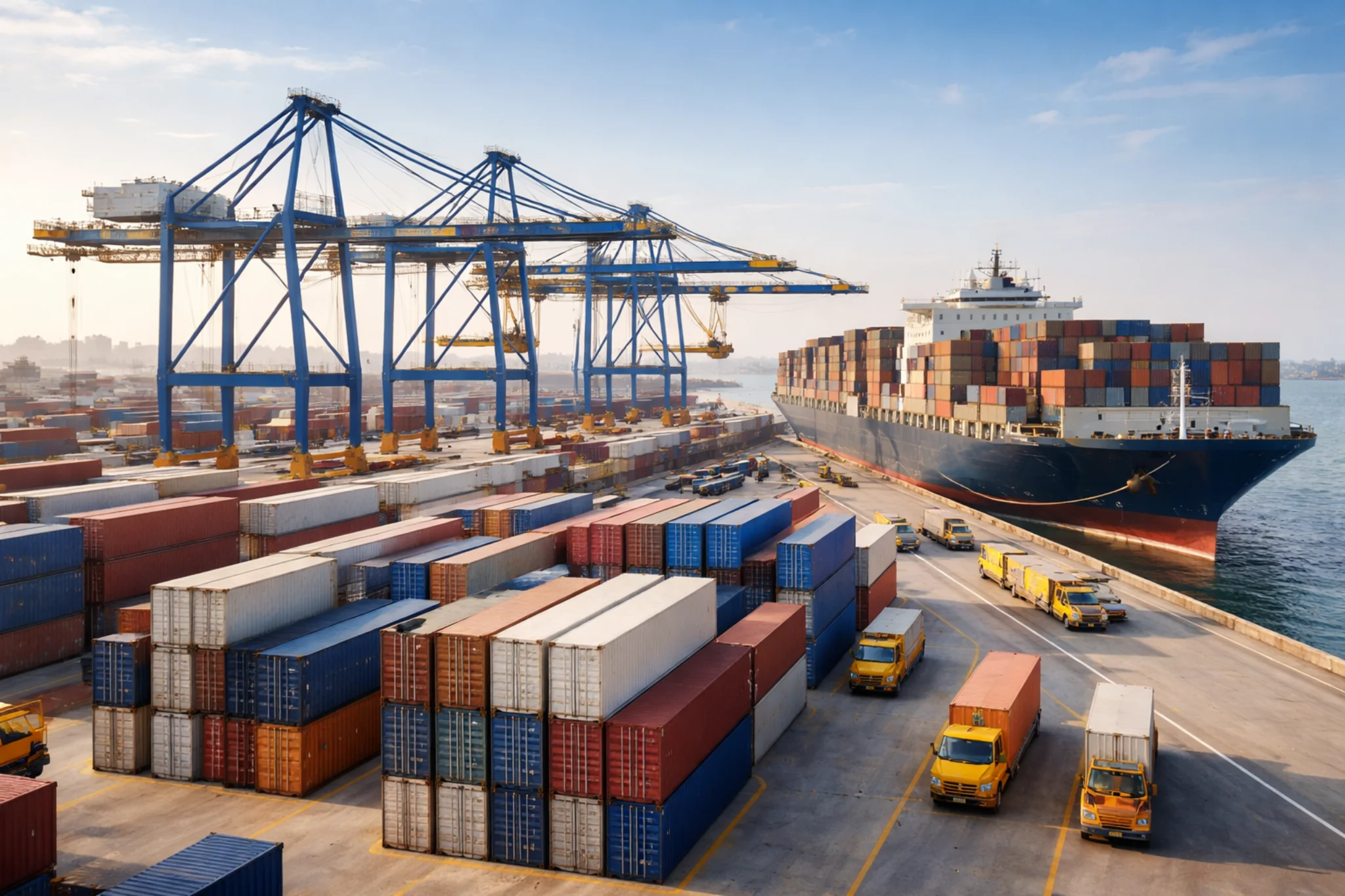
Modern port container loading