Volumetric Weight Calculator
Freight charges are not always based only on how heavy your shipment is. Many carriers charge using volumetric (dimensional) weight—a calculation based on the space your shipment occupies. Use this calculator to compare actual vs volumetric weight and estimate the chargeable weight.
Freight charges are not always based only on how heavy your shipment is. Many carriers charge using volumetric (dimensional) weight—a calculation based on the space your shipment occupies. Use this calculator to compare actual vs volumetric weight and estimate the chargeable weight.
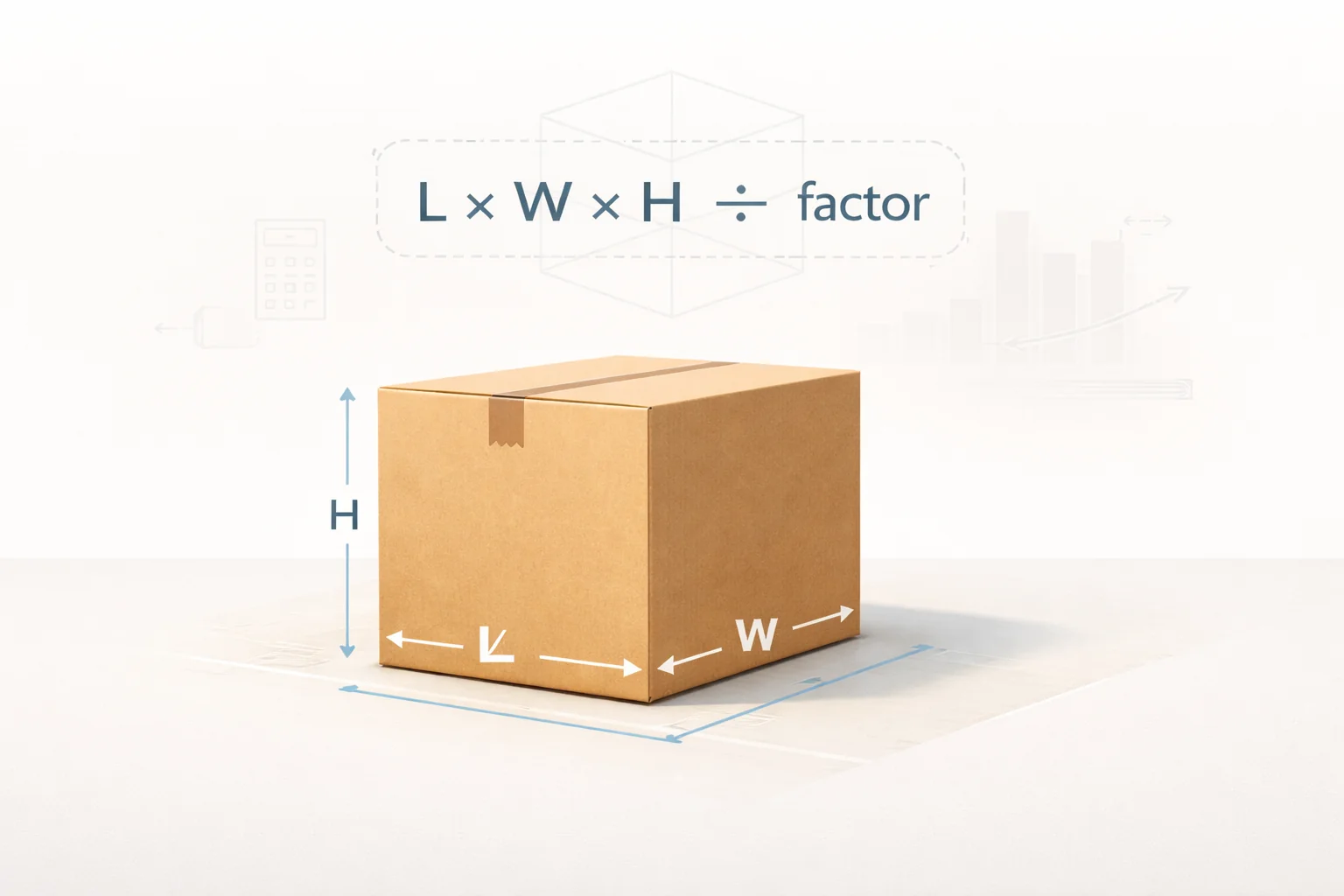
What is volumetric (dimensional) weight?
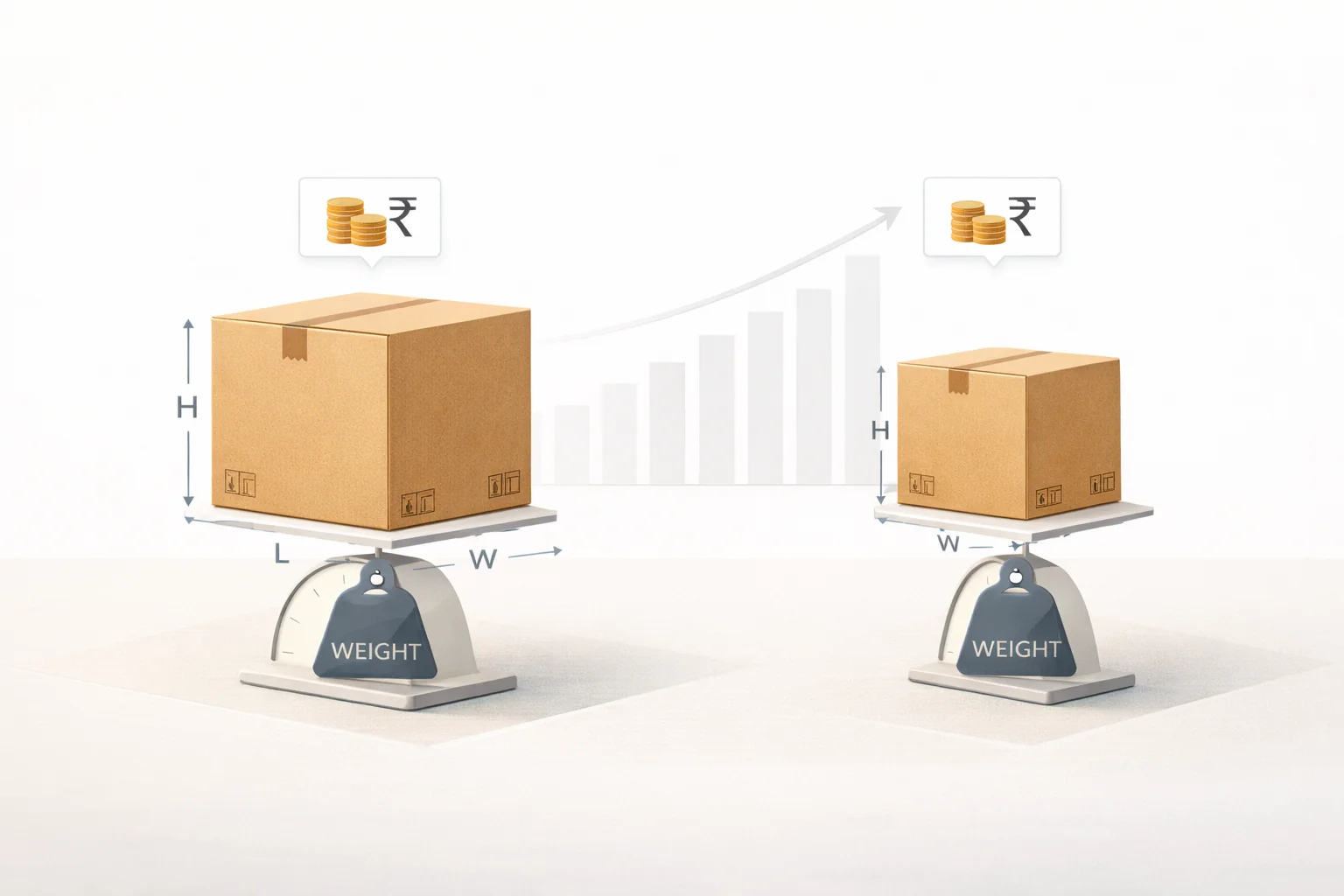
Volumetric weight is a calculated weight that reflects the amount of space a shipment occupies, rather than its physical mass. This helps carriers price shipment fairly—especially for lightweight but bulky shipments.
The billing weight (also called chargeable weight) is typically the higher of actual weight and volumetric weight for air-freight shipments.
- Balances weight and space for fair pricing
- Essential for lightweight, bulky shipment
- Helps compare air vs ocean shipping costs
Calculate volumetric weight (air) and CBM (ocean)
Enter your package dimensions and weight to calculate volumetric weight and determine chargeable weight. If you are shipping multiple cartons, you can multiply results by quantity.
Shipment Inputs
Tip: For air freight, many carriers use divisor 6000 (cm). Some services may use 5000 or 4000.
Dimensional weight in planning
Use volumetric weight to forecast freight charges, choose the right mode, and prevent surprises at booking. It is especially important for lightweight goods that take up lots of space.
See the formulas →Volumetric weight formulas
Air Freight (cm)
Volumetric Weight (kg) = (L × W × H in cm) ÷ Divisor
Common divisors: 6000 (standard), 5000 or 4000 (service-dependent).
Ocean Freight (CBM)
CBM = (L × W × H in meters)
As a general planning reference: 1 CBM ≈ 1000 kg (varies by carrier rules and commodity density).
Example calculation
If a carton measures 100 cm × 80 cm × 60 cm and weighs 50 kg:
| Metric | Result | How it’s used |
|---|---|---|
| Air Volumetric Weight (÷ 6000) | 80 kg | Used to decide chargeable weight (air) |
| Actual Weight | 50 kg | Compared against volumetric weight |
| Chargeable Weight (Air) | 80 kg | Higher value is billed |
Want a transparent freight quote with chargeable weight?
Share your shipment dimensions, weight, pickup location and destination. We’ll confirm chargeable weight and recommend the most cost-effective routing.
Request Quote Contact UsHow to reduce volumetric weight charges
- Use compact packaging and avoid empty space in cartons.
- Choose the right box size and stack efficiently on pallets.
- Consolidate multiple parcels into fewer cartons where possible.
- Compare air vs ocean depending on urgency and shipment density.
- Consult Amigo Logistics before dispatch for packing and mode guidance.